
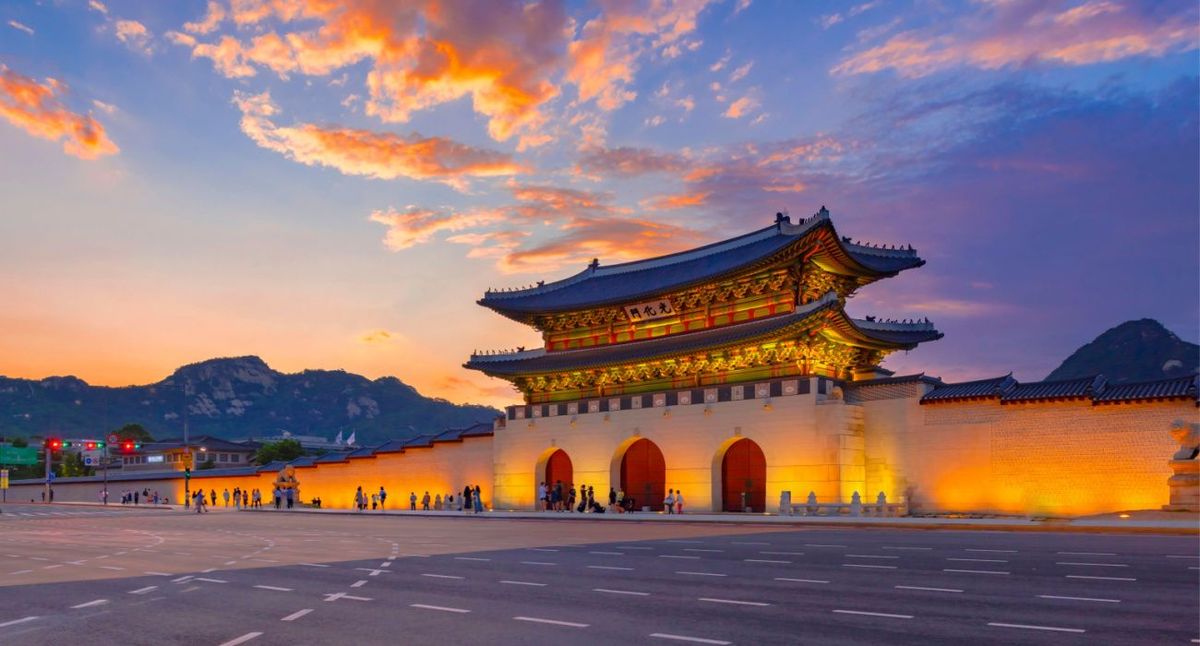
South Korea has become one of the world’s favorite travel destinations thanks to its unique culture that remains well preserved amid modernization. Through various authentic tourist destinations, travelers can experience Korean culture firsthand—from traditional lifestyles and royal history to social values that are still practiced today.
Korean Culture Alive in the Modern EraKorean culture is not only preserved in museums but is also present in the daily lives of its people. From traditional clothing and etiquette to the habit of dining together, everything reflects a strong cultural heritage. This is what makes cultural tourism in Korea feel authentic and memorable for visitors.
Royal Palaces as Traces of Korean History
One of the most iconic cultural attractions in Korea is the royal palaces left by the Joseon Dynasty. These historic buildings symbolize the glory of Korea’s past.
Gyeongbokgung Palace
As the largest palace in Seoul, Gyeongbokgung offers a deep cultural experience. Visitors can witness the changing of the royal guard ceremony and admire the grandeur of traditional Korean architecture.
Changdeokgung Palace and the Secret Garden
Changdeokgung is famous for its Secret Garden, which was designed to follow the natural landscape. This place reflects the Korean philosophy of harmony between humans and nature.
Hanok Villages, A Glimpse of Traditional Life
To truly experience Korean culture, visiting a hanok village is an excellent choice.
Bukchon Hanok Village
Located in the heart of Seoul, Bukchon Hanok Village offers an atmosphere of old Korea with rows of traditional houses. Many visitors wear hanbok to enjoy a more authentic cultural experience.
Jeonju Hanok Village
Jeonju is known as a center of traditional culture and cuisine in Korea. In addition to enjoying hanok architecture, visitors can also taste the legendary Jeonju-style bibimbap.
Meaningful Korean Cultural Festivals
Various traditional festivals are the best moments to experience Korean culture more deeply. Festivals such as Seollal (Korean New Year) and Chuseok (Harvest Festival) feature traditional ceremonies, folk games, and cultural dishes rich in meaning.
In addition, the Lotus Lantern Festival symbolizes spirituality and tolerance in Korean culture, attracting both local and international tourists.
Traditional Cuisine as a Cultural Identity
Food is an essential part of Korean culture. Dishes such as kimchi, doenjang jjigae, tteokbokki, and samgyetang are not just meals, but reflections of Korea’s philosophy of health and togetherness. Enjoying traditional food at local markets is a simple yet authentic way to understand Korean culture.
Tips for Enjoying Korean Cultural Tourism to the Fullest
To make your trip more memorable, here are some tips you can follow:
• Learn basic etiquette, such as proper greetings and respecting elders
• Wear hanbok when visiting palaces or traditional villages
• Visit cultural museums to deepen your historical knowledge
• Travel during cultural festival seasons
Conclusion
Experiencing Korean culture through authentic tourist destinations offers more than just a vacation. Travelers not only enjoy beautiful places but also gain an understanding of the values, traditions, and philosophy of Korean society. This is what makes Korean cultural tourism so fascinating and truly worth exploring.